

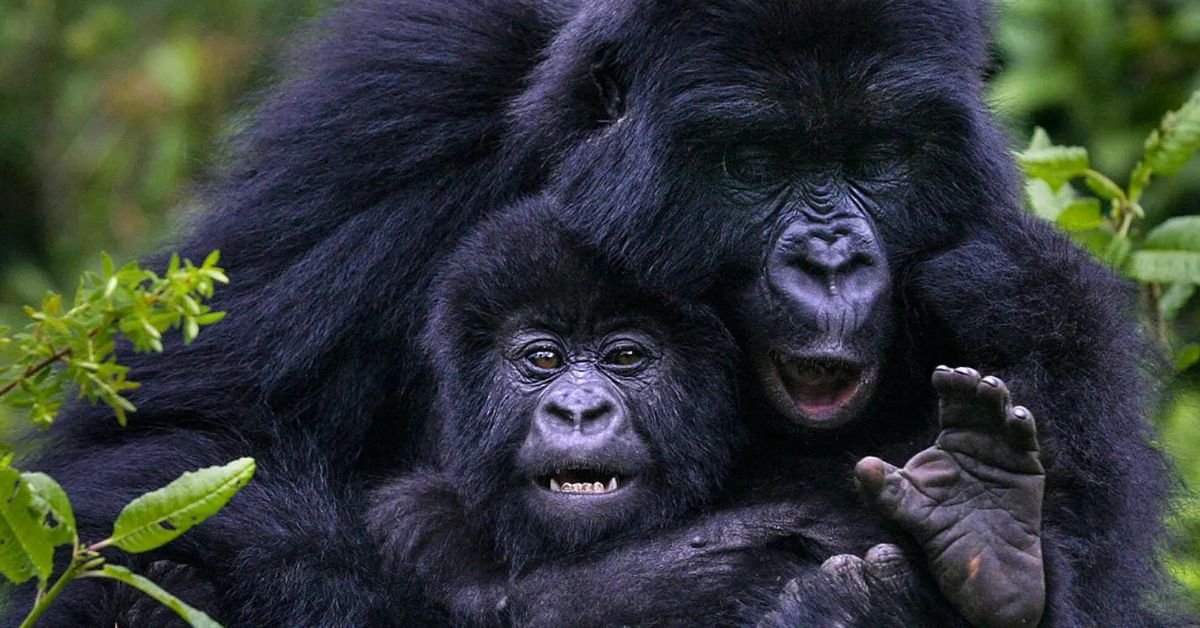
Gorilla trekking is one of the most thrilling safari trips you can experience. Imagine being surrounded by the dense jungle, the excitement building as you get closer to meeting one of nature?s most incredible creatures? the mountain gorillas. Whether you’re heading to Uganda gorilla trekking or exploring the Rwanda gorilla trekking adventure, it’s a journey that will stay with you forever.
So, how many days do you really need for an unforgettable gorilla trekking safari? The answer can vary depending on your schedule and preferences, but generally, a few days is all you need to embark on an incredible gorilla exploration.
In this article, we?ll guide you through what you can expect, how long your adventure might last, and why this unique experience is worth every moment spent trekking through the jungle. Whether you?re planning a trekking adventure in Uganda or a gorilla experience in Rwanda, we?ve got all the details you need to make the most out of your gorilla trekking safari.
How Many Days Do You Need for Gorilla Trekking?

The question of how many days you need for gorilla trekking safari depends on several factors, but on average, most people spend around 3 to 5 days for a memorable trekking experience. Here?s how your days might break down:
Day 1: Arrival and Travel to the National Park
Your gorilla trekking adventure begins as soon as you land in either Uganda or Rwanda. From the airport, you’ll travel to the national park, where the mountain gorillas reside. This might take anywhere from 2 to 4 hours, depending on your location. The rest of the day is spent settling into your accommodation, resting, and preparing for the adventure ahead.
Day 2: The Gorilla Trekking Experience
This is the day you?ve been waiting for? your gorilla trekking safari! You?ll start early in the morning with a briefing from your guide about the rules and regulations of trekking. Then, you?ll set off into the jungle with a group of fellow trekkers to find the gorilla species. The trek can last anywhere from 1 to 6 hours, depending on the location of the gorillas that day. Once you find them, you?ll spend an unforgettable hour watching the giant primates in their natural habitat.
Day 3: Departure or Optional Safari Activities
After your gorilla trek, you can either head back to the airport for your departure or extend your stay. Many people choose to spend an extra day on a safari in Uganda or Rwanda to explore more of the wildlife and culture these amazing countries have to offer. If you?re interested, you could also try activities like golden monkey trekking or a cultural tour to interact with local communities.
Factors That Affect Your Trekking Duration
While 3-5 days is the typical duration for a gorilla trekking safari, your trip might be longer or shorter based on:
- Fitness Level: If you?re not used to hiking, you might want to plan for a longer stay to ensure you?re comfortable with the trek.
- Weather Conditions: Rain can make the trekking conditions tougher, potentially extending your time in the jungle.
- Permit Availability: Some areas require advanced permits, so booking early is key to securing your spot.
In general, 3-5 days is perfect for a gorilla encounter, offering a balanced experience of trekking, wildlife viewing, and relaxation. Whether you?re in Uganda or Rwanda, this is a bucket-list trekking journey you won?t forget!
A Day-by-Day Itinerary for a Gorilla Trekking Safari

Planning a gorilla trekking safari is an exciting adventure, and organizing it into a well-structured itinerary can make your journey even more enjoyable. Below is a sample day-by-day itinerary for a gorilla trekking safari in Uganda or Rwanda. It covers everything you can expect, from arrival to your unforgettable gorilla encounter.
Day 1: Arrival and Transfer to Your Gorilla Trekking Base
Your gorilla trekking adventure begins the moment you arrive in either Uganda or Rwanda. Upon landing, you?ll be greeted by a tour guide who will help you get to your accommodation.
- Arrive at the airport: In Rwanda, you’ll fly into Kigali International Airport, while in Uganda, you’ll likely land at Entebbe International Airport.
- Transfer to your accommodation: After a quick introduction, you?ll embark on a scenic drive to your destination, such as Bwindi Impenetrable Forest in Uganda or Volcanoes National Park in Rwanda. Expect a comfortable journey with amazing views of the countryside.
- Evening at leisure: Check into your lodge or hotel, relax, and prepare for the upcoming adventure. You may also have a short briefing on the following day?s trekking plans.
Day 2: The Gorilla Trekking Experience
This is the highlight of your gorilla trekking safari,? the day you meet the mountain gorillas! The trek can take anywhere from 1 to 6 hours, depending on the location of the gorillas that day.
- Early morning start: Begin the day with a hearty breakfast before heading to the park headquarters.
- Briefing: Your guide will give you a briefing about the rules and safety measures for trekking. You?ll then be divided into small groups, each assigned to a specific gorilla family to track.
- Gorilla trek: Once the trek begins, you?ll journey through dense forest, navigating rough terrain as you follow the trackers. It?s a physically demanding but rewarding experience.
- Gorilla encounter: After finding the gorillas, you?ll spend a magical hour watching them in their natural habitat. It?s an awe-inspiring moment to see these giant primates up close!
- Return to camp: After your trek, return to your lodge for a relaxing evening. Reflect on your experience and enjoy a warm meal as you unwind.
Day 3: Cultural Experience or Optional Safari Activities
After the intense excitement of your gorilla trekking experience, take it easy on the third day by engaging in additional activities that will enhance your time in Uganda or Rwanda.
- Cultural visit: Many gorilla trekking safari packages include a visit to a nearby local village. You?ll have the chance to meet local communities, experience traditional dances, and learn about local culture.
- Golden monkey trekking (optional): If you?re in Uganda?s Mgahinga Gorilla National Park or Rwanda?s Volcanoes National Park, consider adding a golden monkey trekking experience to your itinerary. These vibrant primates offer an exciting extension to your safari trip.
- Nature walk: Alternatively, you can enjoy a nature walk through the surrounding forest, where you?ll spot more wildlife and beautiful landscapes.
Day 4: Departure or Additional Safari Adventures
On your final day, you have two options depending on your travel schedule and interests:
- Departure: After breakfast, you?ll head back to the airport for your flight home, taking with you memories of a truly unforgettable gorilla trekking experience.
- Extended Safari: If you have more time, consider adding an extra day or two for a full-on safari. Uganda and Rwanda offer incredible wildlife, including the Big Five, which can be explored in game reserves and national parks like Queen Elizabeth National Park (Uganda) or Akagera National Park (Rwanda).
Things to Remember for Your Gorilla Trekking Safari
- Fitness Level: While you don?t need to be a fitness expert, a good level of physical fitness will help make your trek easier.
- Trekking Gear: Make sure to pack the essentials: sturdy hiking boots, a rain jacket, a hat, sunscreen, and insect repellent.
- Gorilla Trekking Permits: Remember that gorilla trekking permits are a must and can be booked in advance.
- Trekking Duration: The duration of your trekking adventure can vary depending on how far the gorillas are located. Some trekkers may spend just an hour in the jungle, while others might take longer.
This day-by-day itinerary provides a balanced experience, combining trekking adventure, cultural encounters, and relaxation, ensuring that your gorilla trekking safari is everything you?ve dreamed of and more.
Factors That Affect Your Gorilla Trekking Safari Duration

When planning a gorilla trekking safari, it?s important to understand that the duration of your trek can vary depending on several factors. While the gorilla trekking experience is exciting and rewarding, the length of your trek will depend on a number of elements. Let?s dive into the key factors that influence how long your gorilla trekking adventure will take.
1. Location of the Gorilla Group
One of the biggest factors that affect your trek time is where the mountain gorillas are located on the day of your trek. Gorillas are free to roam in their natural habitat, so the distance you?ll need to cover to find them can vary.
- Proximity to the starting point: If the gorilla family you are tracking is near the starting point, your trek could be shorter ? sometimes only 1 to 2 hours. However, if the gorillas are further away, it could take 4 to 6 hours to reach them.
- Uganda?s Bwindi Forest: In Bwindi Impenetrable Forest, the terrain is steep and challenging, meaning treks can sometimes take longer. You may have to hike through thick forest and over hilly landscapes, which adds time to the journey.
- Rwanda?s Volcanoes National Park: In contrast, gorilla trekking in Rwanda is often less strenuous, with shorter treks, especially since the gorillas are often located at lower altitudes.
2. The Terrain and Weather Conditions
The nature of the terrain you?ll be trekking through also plays a big role in how long your trek lasts.
- Steep terrain: In places like Bwindi Impenetrable Forest or Mgahinga Gorilla National Park (Uganda), the dense forest and mountainous terrain can make trekking challenging. You may have to climb hills, navigate thick vegetation, or trek through muddy paths, all of which can slow your progress.
- Weather impact: Rain or mist can also affect the duration of your trek. Wet or slippery conditions may slow you down, making the trek longer and more physically demanding. A rain jacket and hiking boots are essential for such conditions, helping you stay safe and comfortable.
3. Fitness and Experience of the Trekker
Your own fitness level and trekking experience can also influence how long it takes to find the gorillas.
- Physical fitness: A fitter person will find the trek easier, making the overall duration shorter. If you’re not used to hiking, the trek may take longer as you pace yourself, and the guide may adjust the route accordingly.
- Trekking speed: Some trekkers prefer to take it slow and enjoy the journey, while others may want to speed things up. Regardless of your pace, it?s always a good idea to stay with your group and follow the guide?s instructions.
4. Gorilla Behavior and Movement
Gorilla behavior plays a key role in determining how long your trek will last. Gorillas are not confined to one specific area and may move based on their feeding, resting, or social habits.
- Active gorillas: If the gorillas are particularly active and move a lot, it could take longer to catch up with them. However, if they are stationary or resting, your encounter might be shorter, but you will still get to spend the same time observing them.
- Gorilla family size: Larger families of gorillas may spread out, which can increase the time it takes to locate them. Smaller groups or solitary gorillas may be easier to track down.
5. Group Size and Speed
The number of trekkers in your group can also affect how long your trek lasts. Smaller groups tend to move faster, while larger groups may take longer as they move at the pace of the slowest person.
- Group dynamics: For a more efficient trek, smaller groups are usually preferred. If you?re in a larger group, it?s important to be patient and allow everyone to enjoy the gorilla sighting. The guide will make sure to adjust the pace to accommodate everyone?s abilities.
6. The Experience of Your Guide
The experience and knowledge of your guide can significantly influence how quickly you locate the mountain gorillas and the overall duration of your trek.
- Local expertise: Guides who are familiar with the terrain and the habits of the gorillas can reduce the time it takes to find them. They can use their knowledge to predict where the gorillas are likely to be, making the gorilla trek more efficient.
- Safety and regulations: Guides also play a crucial role in ensuring the safety of the trekkers and the gorillas. They?ll make sure you don?t rush the trek and respect the guidelines for spending time with the gorillas, which can also affect how long you stay with them once you find them.
The duration of your gorilla trekking safari depends on various factors, from the location of the gorillas to your physical fitness level. While some trekkers may enjoy a relatively quick and easy trek, others might find themselves on a more challenging journey. Regardless of how long it takes, the chance to see mountain gorillas in their natural habitat will make the effort well worth it.
So, whether you?re trekking through Bwindi Impenetrable Forest in Uganda or exploring Volcanoes National Park in Rwanda, keep in mind that patience and preparation are key. The experience will be an unforgettable adventure, no matter how long it takes.
Frequently Asked Questions (FAQs)

As you plan your gorilla trekking safari, it?s natural to have a few questions. To help guide you through the process, we?ve compiled some frequently asked questions that will provide more insight into the gorilla trekking experience. Let?s dive in!
1. How long does a typical gorilla trekking safari last?
The duration of a gorilla trekking safari depends on various factors, such as the location of the gorillas, the terrain, and the pace of your group. On average, a gorilla trek can last between 2 to 6 hours. However, this can vary, with some treks being shorter or longer, depending on the circumstances.
2. Is gorilla trekking physically demanding?
Yes, gorilla trekking can be physically demanding. The trek often involves walking through dense forests, steep terrain, and sometimes muddy paths. It?s important to be in good physical condition to fully enjoy the experience. However, guides are available to assist, and the trek can be tailored to your pace.
3. Can anyone go gorilla trekking?
While gorilla trekking is an incredible experience, it?s important to note that there are age restrictions. In most destinations, participants must be at least 15 years old. Additionally, trekkers should be in good health, as the trek can be strenuous, and it?s vital to respect the gorillas’ habitat and health.
4. How do I book a gorilla trekking tour?
Booking a gorilla trekking safari is easy! You can book through local safari operators or agencies like Fencher Safaris that specialize in organizing safaris in Uganda, Rwanda, Kenya, and Tanzania. It’s essential to book well in advance, as permits for gorilla trekking are limited and in high demand.
5. When is the best time to go gorilla trekking?
The best time for gorilla trekking is during the dry season, which typically runs from June to September and December to February. During this time, the trekking conditions are easier as the trails are less slippery and the weather is more favorable. However, trekking can still be done year-round, with some off-season advantages such as fewer tourists.
Final Thoughts ? Is Gorilla Trekking Worth It?
Without a doubt, gorilla trekking is a once-in-a-lifetime experience that leaves an indelible mark on every adventurer. The thrill of encountering the majestic mountain gorillas in their natural habitat is unmatched. The moment you lay eyes on these gentle giants, you’ll understand why gorilla trekking safaris are considered one of the most sought-after wildlife experiences in the world.
While it may require some physical effort and a bit of patience, the rewards far outweigh the challenges. The intimate connection you?ll form with nature and wildlife will be deeply satisfying, as the experience allows you to witness the fascinating behavior and beauty of the great apes up close. Whether you’re trekking in Uganda, Rwanda, or another destination, the experience is unique, offering unforgettable memories.
Ultimately, gorilla trekking is more than just a safari, it’s an opportunity to contribute to wildlife conservation efforts and protect endangered species. Your trek helps fund conservation programs that ensure the survival of the mountain gorillas for future generations. So, if you’re looking for an adventure that combines breathtaking landscapes, wildlife encounters, and meaningful conservation, then gorilla trekking is undoubtedly worth it.