

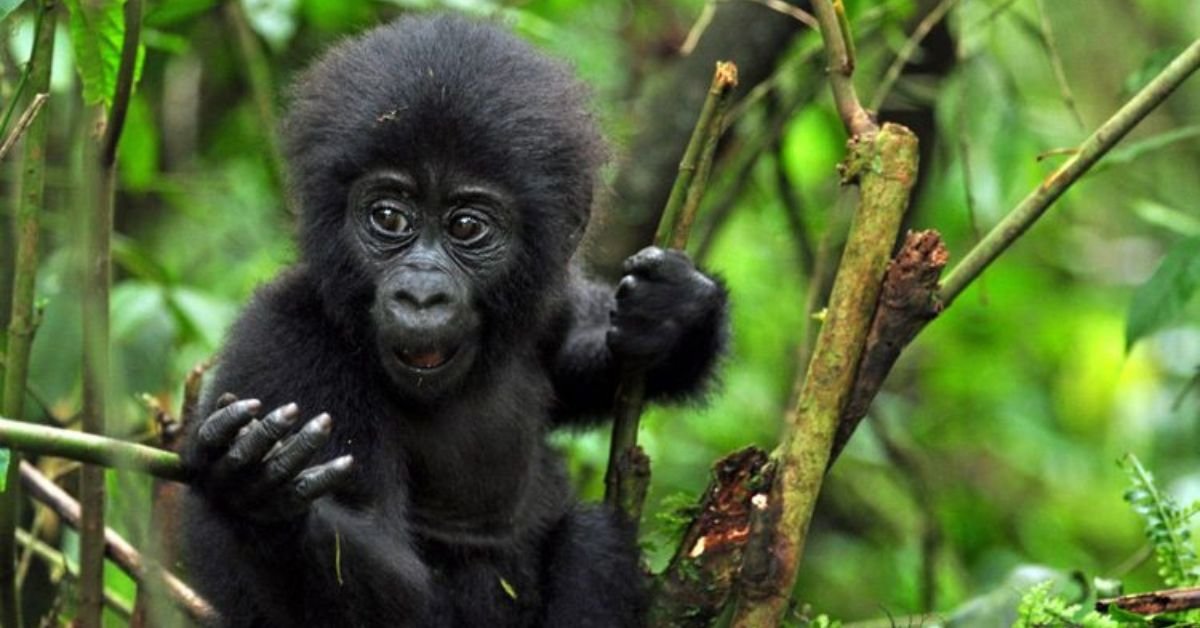
Gorilla trekking is one of the most unique and exciting wildlife adventures you can experience. If you?ve ever dreamed of seeing mountain gorillas in their natural habitat, you?re not alone! Every year, travelers from all over the world flock to countries like Uganda, Rwanda, and the Democratic Republic of Congo for the chance to embark on a gorilla safari.
But how difficult is it, really? Is it a physically demanding trek, or is it manageable for most people? The truth is, gorilla trekking does come with its challenges, but with the right preparation, it?s an adventure that?s definitely worth undertaking.
In this article, we?ll dive into what makes gorilla trekking so special, the level of physical fitness required, and everything you need to know to prepare for the trek. Whether you’re an experienced hiker or a first-timer, we?ve got you covered. Let?s explore how challenging (or not!) gorilla trekking can be and how you can make the most of this once-in-a-lifetime experience!
What is Gorilla Trekking?

Gorilla trekking is an exciting and immersive wildlife adventure where you venture into the heart of the African jungle to observe mountain gorillas in their natural habitat. The trek is a once-in-a-lifetime experience, offering a rare opportunity to witness these incredible creatures up close and personal.
Typically, gorilla trekking is done in the dense forests of Uganda, Rwanda, and the Democratic Republic of Congo. These regions are home to the last remaining populations of mountain gorillas, a species critically endangered and protected by various conservation efforts.
The adventure begins early in the morning, where you meet your guide and a group of fellow trekkers. After a briefing, you?ll set off into the forest with your trekking poles and hiking boots to begin your search for the gorillas. The trek can take anywhere from a few hours to a full day, depending on the location of the gorillas.
Once you locate the gorilla family, you?ll be able to observe them in their natural behavior eating, playing, or even just resting. The experience is incredibly humbling and offers a unique perspective on wildlife conservation.
Throughout the trek, you?ll encounter beautiful panoramic landscapes and enjoy scenic views of lush rainforests, towering trees, and perhaps even other wildlife species. The combination of physical exertion and the reward of seeing the gorillas makes this adventure unforgettable.
How Difficult is Gorilla Trekking?
When it comes to gorilla trekking, one of the first questions people ask is: “How difficult is it?” Well, the answer depends on a few factors, but let me break it down for you!
1. Terrain and Altitude
The terrain you?ll encounter on a gorilla trek can vary greatly. You’ll be hiking through dense forests, thick bamboo jungles, and sometimes steep, muddy slopes. The altitude of the trekking areas can also be high, especially in places like Uganda?s Bwindi Impenetrable Forest and Rwanda?s Volcanoes National Park, which can add to the physical challenge.
But don?t worry while some trails are more rugged than others, your guide will lead the way and ensure you’re safe throughout the trek. It?s worth noting that the trails are well-established, and even though the paths can be challenging, they’re manageable for most people with a moderate level of fitness.
2. Duration of the Trek
Another factor that affects the difficulty is the duration of the trek. Depending on where the gorillas are located that day, the trek can last anywhere from 1 to 8 hours. On a good day, you might find them relatively close, but on other days, it could take a bit longer to locate the family.
The physical demand increases with the length of the trek. But remember, your group will be accompanied by a team of guides, porters, and trackers, all of whom help make the trek easier and more enjoyable.
3. Physical Fitness
To put it simply, gorilla trekking does require some level of physical fitness. If you?re already comfortable with light hiking or enjoy outdoor activities like walking or jogging, you?ll likely find the trek challenging but achievable. However, if you?re not accustomed to physical exertion, you might want to prepare by doing some cardio training or stamina preparation before your trip.
It?s important to listen to your body during the trek, take regular breaks, and stay hydrated. If you?re not in top shape, you might want to consider hiring a porter to help carry your gear or assist you with navigating difficult areas. This can make a significant difference in your comfort and experience!
4. Weather Conditions
The weather also plays a big role in the difficulty of the trek. The dry season (typically between June and September) is often considered the best time for gorilla trekking, as the trails are less slippery and more accessible. However, gorilla trekking is a year-round activity, so be prepared for possible rain even during the dry season.
If you?re trekking during the rainy months (March to May or October to November), the paths can get muddy and slippery, making the trek more challenging. But hey, that?s all part of the adventure!
While gorilla trekking does require some effort and physical readiness, it?s an experience that anyone in decent physical fitness can enjoy. It?s a mix of physical challenge and wildlife adventure, and the effort is absolutely worth it when you finally come face to face with a mountain gorilla.
So, while gorilla trekking can be physically demanding, with the right preparation, gear, and mindset, it?s an unforgettable adventure that is definitely within reach for most people.
Do You Need to Be Physically Fit for Gorilla Trekking?

Yes, physical fitness plays an important role in making your gorilla trekking experience enjoyable and successful. While you don?t need to be an athlete to go on a gorilla safari, having a basic level of fitness will certainly make the trek easier and more comfortable. Let?s dive into the details!
What Level of Fitness is Required?
Gorilla trekking is a moderate to strenuous physical activity. The trails you?ll be walking on can range from easy paths to steep, muddy hills that can take a bit of effort to climb. It?s not a technical climb, but there will be some challenging terrain and altitude that may require a fair amount of stamina.
You don?t need to be in top shape or have mountain-climbing experience, but it?s a good idea to be in decent physical condition, especially if you plan on trekking for several hours. A bit of cardio training or hiking preparation can help get your body ready for the trek.
How Can You Prepare?
If you’re worried about your fitness level, don?t stress! Here are a few tips to help you get ready for gorilla trekking:
- Cardio Exercises: Focus on cardio training to build your endurance. Walking, jogging, or cycling will help you get used to exerting yourself for extended periods. Aim for at least 30 minutes of cardio a few times a week leading up to your trek.
- Strength Training: Leg and core exercises will help you handle the uphill climbs and steep trails. Squats, lunges, and planking are great ways to build strength in the muscles you?ll rely on most.
- Trekking Preparation: If possible, try to do some outdoor activities that involve walking on uneven terrain, like hiking on nature trails or using a treadmill set at an incline. The more prepared you are, the more comfortable you?ll feel during the trek.
- Stamina: Long treks can be physically demanding, so focus on building your stamina. Start with shorter walks or hikes and gradually increase the distance to mimic the length of the trek. The more active you are, the easier it will be to handle the distance.
What If You’re Not Fit Enough?
If you’re not feeling super confident about your physical fitness, don?t worry, you can still participate in gorilla trekking! Here are some options:
- Hire a Porter: Hiring a porter can be a game-changer! Porters can help carry your gear, making the trek lighter and less physically demanding. They can also assist with navigating challenging terrain.
- Take Breaks: Trekking is not a race. Take regular breaks when needed, and listen to your body. The guide will pace the group to ensure everyone is comfortable.
- Adjust Expectations: If you have any health concerns or are unsure about your physical readiness, it?s best to consult with your doctor before booking a trek. They can provide personalized advice based on your health and fitness level.
Is It Worth It?
Absolutely! Gorilla trekking is an unforgettable experience that offers a chance to connect with nature and witness one of the most endangered species on the planet. Even if you?re not in the best shape, with a little preparation and the right attitude, you?ll be able to enjoy the trek without feeling overwhelmed.
So yes, physical fitness is important, but don?t let that stop you! With a bit of training, planning, and support, you?ll be ready to go on the adventure of a lifetime.
Best Time for Gorilla Trekking (Weather & Seasons)
When it comes to gorilla trekking, the timing of your trip can significantly impact your experience. The weather plays a huge role in the difficulty and enjoyment of the trek, so it?s important to choose the best time to visit. Whether you?re trekking in Uganda, Rwanda, or the Democratic Republic of Congo, understanding the weather conditions and seasonal variations will help you make the most of your wildlife adventure.
The Dry Season: The Ideal Time for Gorilla Trekking
The dry season is generally considered the best time to go gorilla trekking. This period typically falls between June to September and December to February, and here’s why:
- Easier Trails: During the dry season, the paths are less muddy and slippery, making it easier to navigate through the forest. You?ll be able to walk more comfortably, and the risk of getting stuck in the muck is lower.
- More Comfortable Weather: With less rainfall, temperatures are generally mild and pleasant. This makes trekking a lot more comfortable as you won?t have to deal with heavy rain or excessive humidity.
- Wildlife Viewing: While the focus of gorilla trekking is, of course, the mountain gorillas, the dry season is also great for spotting other wildlife. With fewer bushes and shrubs, animals are easier to see, and the overall experience feels more rewarding.
- Panoramic Landscapes: The dry season also offers the chance to enjoy the stunning panoramic landscapes of the trekking regions. You?ll get clearer views of the scenic vistas that the forests have to offer, from rolling hills to lush valleys.
The Wet Season: A Different Kind of Adventure
The wet season, which runs from March to May and October to November, is another option for gorilla trekking, although it does come with some challenges:
- Muddy Trails: During the rainy season, the trails become slippery and harder to navigate. You?ll need to be extra cautious when trekking through the forest to avoid slipping and sliding. Trekking poles and hiking boots become even more important in these conditions.
- Lush Greenery: On the plus side, the forest is at its most lush and vibrant during the wet season. The dense foliage and green landscapes provide a stunning backdrop for your trek. The weather can make the trek a bit more difficult, but it offers a unique opportunity to experience the rainforest in all its glory.
- Fewer Tourists: If you prefer a more tranquil experience with fewer crowds, the wet season might be your best bet. With fewer tourists around, you?ll have more of the forest to yourself and a more intimate experience with the mountain gorillas.
- Potential for Rain: Be prepared for rain, which can be heavy and unpredictable. The trek will be more challenging during these months, but the rewards?seeing mountain gorillas in the wild?are still worth it!
What You Should Know About Weather and Trekking
Regardless of the time of year you choose, gorilla trekking can be physically demanding. The weather conditions will influence your experience, so it?s important to pack accordingly:
- Pack for All Conditions: Even in the dry season, it?s a good idea to bring rain gear and waterproof clothing just in case. The weather can change quickly, and a sudden downpour is always a possibility.
- Prepare for Muddy Trails: Even during the dry season, some parts of the trail can still be slippery. Be sure to wear hiking boots with good grip, and consider bringing hiking sticks to help you maintain balance.
- Stay Hydrated and Energized: Trekking through the forest requires stamina, so be sure to bring healthy snacks and plenty of water. Consider packing energy bars or other easy-to-carry snacks to keep your energy levels up during the trek.
The dry season (June to September, December to February) is generally the best time for gorilla trekking due to more comfortable weather and easier trails. However, the wet season (March to May, October to November) offers a unique experience with lush greenery, fewer tourists, and a chance to witness the rainforest in its full splendor.
No matter when you choose to go, gorilla trekking will be an unforgettable experience, offering breathtaking views, thrilling encounters with mountain gorillas, and memories that will last a lifetime!
Essential Gear for a Smooth Trek

When it comes to gorilla trekking, being well-prepared with the right gear is key to ensuring a smooth and enjoyable experience. The terrain can be unpredictable, and the weather can change in an instant, so having the right hiking equipment will make all the difference. Let?s go over the essentials to bring on your gorilla safari.
1. Hiking Boots: Your Best Friend on the Trail
A good pair of hiking boots is a must for any gorilla trekking adventure. The trails can be steep, muddy, and uneven, so your boots need to provide support and stability. Look for sturdy boots that are:
- Waterproof: This is especially important if you’re trekking during the rainy season. Waterproof boots will keep your feet dry, even on the wettest trails.
- Comfortable and Supportive: You?ll be walking for hours, so comfort is essential. Make sure the boots are well-fitted and offer support around the ankle to prevent injuries.
- Durable: High-quality boots will handle rugged conditions, from slippery mud to sharp rocks.
If you don?t have a pair yet, it’s worth investing in trekking shoes specifically designed for this type of activity.
2. Hiking Sticks: Boost Your Balance
Hiking sticks, or trekking poles, are incredibly helpful for maintaining balance on tricky terrain. Whether you’re navigating slippery slopes or trekking uphill, these tools will help you:
- Improve Stability: They give you an extra point of contact with the ground, which can help you stay balanced and avoid falls.
- Reduce Pressure: Using poles helps distribute some of the weight from your legs to your arms, reducing pressure on your knees and joints.
- Support During Steep Climb: When climbing uphill, walking sticks will give you the extra push you need, making it easier to navigate the steep inclines.
Many trekking companies offer walking sticks to clients, but you can always bring your own if you prefer a specific type.
3. Comfortable Clothing: Dress for the Environment
The right clothing is crucial for staying comfortable during the trek. Here?s what to wear:
- Long Sleeves and Pants: To protect yourself from the dense vegetation, thorns, and insects, it?s best to wear long-sleeved shirts and long pants. Choose lightweight, breathable fabrics that will keep you cool while offering protection.
- Quick-Drying Clothes: Since the trails can be wet, wearing clothes that dry quickly will help you stay comfortable. Avoid cotton, as it holds moisture, and opt for moisture-wicking fabrics instead.
- Weather-Proof Jacket: Pack a light rain jacket or windbreaker to protect yourself from sudden weather changes. It can get chilly at higher altitudes, so a jacket with a hood will help keep you warm and dry.
4. A Daypack: Carry What You Need
You?ll need a small daypack to carry essential items during the trek. Your daypack should be lightweight and comfortable to carry while providing enough space for your gear. Here?s what to pack:
- Water: Stay hydrated throughout the trek with a water bottle or hydration system (like a Camelbak).
- Snacks: Pack some healthy snacks such as energy bars or trail mix to keep your energy up during the trek.
- Camera: You?ll want to capture the incredible moments with the gorillas, so bring a lightweight camera or smartphone.
- Sunscreen and Bug Repellent: Protect your skin from the sun and insects by applying sunscreen and bringing bug repellent. These will help you avoid sunburn and insect bites.
5. Gloves: Protect Your Hands
Since you?ll be trekking through thick foliage, wearing gloves can protect your hands from thorns and sharp plants. Lightweight gloves will also help keep your hands warm in cooler weather, making them a smart addition to your gear list.
6. Hat and Sunglasses: Shield Yourself from the Sun
Even in the forest, it?s important to protect yourself from the sun. A hat and sunglasses will:
- Shield Your Face: A hat with a brim will protect your face from direct sunlight and keep your head cool during the trek.
- Protect Your Eyes: Sunglasses will protect your eyes from UV rays, which can be intense, even under the tree canopy. Look for UV-blocking sunglasses to ensure proper eye protection.
7. Waterproof Gear: Be Ready for Rain
Rain can show up unexpectedly, even during the dry season, so be prepared:
- Rain Poncho: A lightweight, packable rain poncho will keep you dry without weighing you down.
- Waterproof Cover for Your Daypack: To keep your essentials safe and dry, consider bringing a waterproof cover for your daypack.
8. Camera Equipment: Capture the Moment
When you finally come face-to-face with a mountain gorilla, you?ll want to capture the magic. For the best shots:
- Zoom Lens: A camera with a zoom lens will allow you to capture the gorillas from a distance without disturbing them. A phone camera will work too, but a professional camera with a zoom lens will give you better quality photos.
- Extra Batteries: Long treks mean your camera will need extra power, so bring additional batteries or a portable charger to avoid running out of juice.
9. Personal Medications and First Aid Kit
Always be prepared with a small first aid kit that includes:
- Band-aids, antiseptic wipes, and pain relievers for minor injuries.
- Personal medications if you need them during the trek.
Your guide will also carry a first aid kit, but it?s always a good idea to bring your own essentials for peace of mind.
With the right gear, you?ll be ready to tackle the challenges of gorilla trekking and enjoy the adventure to the fullest. Be sure to pack the essentials?hiking boots, trekking poles, comfortable clothing, snacks, and the like?so that you?re prepared for the journey ahead.
Proper preparation will help ensure that your wildlife adventure is not only memorable but also comfortable and safe. So, gear up, and get ready to experience the incredible thrill of coming face-to-face with mountain gorillas!
Tips to Make Gorilla Trekking Easier

Gorilla trekking is a once-in-a-lifetime adventure that?s both exciting and physically demanding. Whether you?re an experienced hiker or a beginner, there are several tips you can follow to make your gorilla safari more enjoyable and less stressful. Here are some practical tips to help make your trek easier and more comfortable.
1. Get Fit Before Your Trek
While you don?t need to be an Olympic athlete, physical fitness plays a big role in making your gorilla trekking experience easier. Trekking through the mountains can be challenging, and good fitness levels will help you:
- Tackle Steep Terrain: The better shape you?re in, the easier it will be to navigate uphill climbs and rough terrain.
- Stay Energized: You?ll need plenty of stamina to keep going through the day, especially during long treks.
Exercise readiness such as cardio training or short hikes leading up to your trip will prepare your body for the demands of the trek. Remember, stamina preparation helps prevent exhaustion along the way.
2. Dress Comfortably and Smartly
What you wear can make a huge difference in your comfort level during the trek. To stay comfortable and protected:
- Long sleeves and pants: These will help protect you from thorns, insects, and the sun.
- Moisture-wicking fabrics: Choose lightweight, breathable clothes that dry quickly. Avoid cotton as it can trap moisture.
- Weather-appropriate clothing: A rain jacket is crucial if you?re trekking during the rainy season, as the weather can change suddenly.
By dressing right, you’ll reduce discomfort, which can make a long day of trekking much more enjoyable.
3. Pack Light, But Smart
Although it?s tempting to pack a lot, you only need to bring the essentials. A light daypack will make it easier for you to move along the trek. Be sure to pack:
- Water: Stay hydrated, especially when the trek is long and strenuous.
- Healthy snacks: Bring energy bars or nutritious food to refuel during breaks.
- Camera: Capture those unforgettable moments with mountain gorillas, but keep it light to avoid being weighed down.
Pack only what you absolutely need, and leave unnecessary items behind to make the trek smoother.
4. Use Hiking Sticks for Extra Support
Hiking sticks are incredibly helpful, especially on uneven or muddy terrain. They?ll provide the extra stability and balance you need to prevent slips and falls. Walking sticks give you:
- More Balance: With each step, your poles provide support, so you?re less likely to lose your footing.
- Less Stress on Knees: The poles help take the pressure off your knees and joints, especially when hiking downhill or trekking through difficult terrain.
Using trekking poles can make your trek much less tiring, and they?ll help you stay steady even when the terrain is tricky.
5. Take Regular Breaks
Don?t rush through your gorilla trekking adventure. Take regular breaks to rest and catch your breath. This is especially important if you feel winded or tired. Some trekking preparation tips include:
- Stay Hydrated: Take sips of water regularly to keep your body in top shape.
- Resting Points: Take advantage of natural stopping points to stretch, relax, and regroup with your group.
- Listen to Your Guide: Your guide knows the terrain and the trek well. If they suggest a break or pace change, take their advice.
Taking breaks will ensure that you conserve energy for the last part of the trek, when you’re getting close to the gorillas.
6. Be Prepared for Changes in Weather
Since you?ll be trekking in a rainforest or mountainous terrain, the weather can shift without warning. Be prepared for rain, sudden wind, or even temperature changes by packing the right gear:
- Rain jacket or poncho: To protect yourself from unexpected rainfall.
- Hat and sunglasses: To shield your face from the sun and keep it cool.
- Extra layers: A fleece or light jacket can come in handy when the temperature drops.
By being ready for any weather conditions, you?ll be able to stay comfortable throughout the trek, regardless of what Mother Nature throws your way.
7. Stay Calm and Take Your Time
Finally, one of the best tips for gorilla trekking is to remain calm and patient. It?s easy to get excited and rush through the trek, but taking your time allows you to:
- Enjoy the Scenic Views: The panoramic landscapes of the forests, mountains, and wildlife are breathtaking. Take the time to appreciate the beauty around you.
- Minimize Fatigue: By pacing yourself and staying calm, you?ll be able to conserve your energy and avoid feeling overwhelmed.
Remember, this is a wildlife adventure that?s meant to be savored. Don?t worry about keeping up with others just enjoy the experience and take in the surroundings.
8. Trust Your Guide
Your gorilla trekking guide is an expert and knows the trails and gorillas well. If you’re unsure about the trek or feeling uncertain, trust their advice. They?re there to ensure your safety and to make your experience as enjoyable as possible. They?ll guide you to the gorillas, point out interesting wildlife, and offer helpful tips along the way.
By following these tips, you can make your gorilla trekking experience smoother, more enjoyable, and memorable. With the right preparation, proper gear, and a calm, patient mindset, you?ll be ready for one of the most incredible wildlife encounters in the world. Whether it?s your first time or you?re an experienced trekker, these simple tips will make sure your adventure is everything you dreamed of and more!
What to Expect on the Trek

When you set out on a gorilla trekking adventure, you?re about to embark on an exciting and unpredictable journey. The trek can take you through dense forests, across rugged terrain, and up steep hills, but the reward at the end is more than worth it an unforgettable encounter with the majestic mountain gorillas in their natural habitat.
Here?s a breakdown of what you can expect throughout your gorilla safari experience:
1. Meeting Your Guide and Group
Before you even start your gorilla trek, you?ll meet your guide and fellow trekkers. Your guide is an expert who will lead you through the wildlife adventure, sharing information about the gorillas, the environment, and what to expect along the way. It?s a great opportunity to ask any questions and get mentally prepared for the journey ahead.
You?ll also be introduced to any hiking equipment you?ll need, such as trekking poles or hiking sticks. Once everyone is geared up, the trek will begin!
2. The Trek Begins: Challenging Terrain
The gorilla trek can be challenging, depending on the location and the gorillas? position that day. You?ll be hiking through thick jungle, muddy paths, and steep hills, so be ready for a physically demanding experience.
What to expect:
- Uneven Terrain: You may be hiking through slippery mud, rocky paths, or dense foliage. Hiking boots and trekking poles will be essential for maintaining balance and stability.
- Steep Ascents/Descents: Some treks can be uphill, while others may require you to descend into valleys or gorges. The terrain can be a mix of both, so it?s important to pace yourself and take regular breaks.
- Thick Vegetation: Depending on the season, you?ll walk through dense forest or thick undergrowth. Prepare to be on your feet for several hours, and keep an eye out for the incredible biodiversity along the way.
3. The Thrill of Spotting the Gorillas
After hours of trekking, you?ll reach the area where the gorillas have been spotted. This is when the excitement really kicks in! Your guide will lead you to a safe spot, where you?ll be able to catch your first glimpse of these magnificent creatures.
What to expect:
- Close Encounters: The moment you see the mountain gorillas, it will be a magical experience. You?ll be able to observe them in their natural environment, from mothers cradling their babies to playful young gorillas frolicking in the jungle.
- Guided Observation: Your guide will explain the gorillas? behavior and help you understand the family structure, as well as how they interact with one another. This is a unique opportunity to learn about these endangered species firsthand.
4. The Unpredictability of Wildlife Sightings
While the goal of gorilla trekking is to see the gorillas up close, there?s always a level of unpredictability when it comes to wildlife. The gorillas roam freely, and there?s no guarantee where exactly they will be. The trek could take anywhere from one hour to a full day, depending on where the gorillas are located.
What to expect:
- Possible Delays: It?s not unusual for the trek to take longer than expected. You may need to navigate through difficult terrain or wait for the gorillas to move closer to your location. Patience is key!
- Other Wildlife: While the gorillas are the star of the show, you may also encounter other wildlife along the way. From colorful birds to forest elephants, there?s a lot to see during the trek.
5. The Encounter: How Close Can You Get?
Once you?re in the presence of the mountain gorillas, you?ll be allowed a limited amount of time to observe them typically around an hour. During this time, you?ll have the chance to watch them in their natural habitat, take photos (without using a flash), and witness their behavior up close.
What to expect:
- Respecting the Gorillas: It?s essential to keep a safe distance from the gorillas, which is usually about 7 meters (21 feet). While the gorillas are generally peaceful, it?s important to respect their space and avoid making loud noises or sudden movements.
- Rare Moments: If you’re lucky, you might witness some rare behaviors, like a gorilla mother grooming her baby or a young gorilla swinging from tree branches.
6. Heading Back After the Encounter
After spending an unforgettable hour with the gorillas, it?s time to head back to base camp or your lodge. The return journey can sometimes feel longer, especially if you?re tired after the gorilla trek. However, this is a great time to reflect on the amazing experience you?ve had and enjoy the panoramic landscapes of the surrounding jungle.
What to expect:
- More Uphill Hiking: Depending on the terrain, you might have to hike back uphill. Keep your hiking boots and walking sticks ready to help you along the way.
- Group Atmosphere: You?ll likely be trekking back with your fellow adventurers, so it?s a good time to share your excitement and chat about the incredible experience you?ve just had.
7. Celebration and Rest
Once you complete the gorilla trekking experience, you?ll return to your lodge or campsite, where you can relax and enjoy a well-earned meal. Take the time to savor your accomplishment and share stories with your fellow trekkers. Some tours even offer a celebratory drink or meal to mark the occasion.
Gorilla trekking is a physically demanding yet incredibly rewarding experience. Whether you?re trekking through challenging terrain or encountering the gorillas up close, each moment is filled with excitement and awe. From the anticipation of the trek to the thrill of seeing the mountain gorillas, it?s an adventure that will stay with you forever. So, pack your hiking boots, bring your trekking poles, and get ready for an adventure of a lifetime!
Final Thoughts: Is Gorilla Trekking Worth It?
Gorilla trekking is undoubtedly a once-in-a-lifetime experience that many describe as life-changing. The challenge of hiking through rugged terrain is more than compensated by the reward of encountering mountain gorillas in their natural habitat. The connection you feel when you come face-to-face with these incredible creatures, observing their behavior and interactions, is unmatched by any other wildlife experience. The memories of seeing these endangered primates up close will stay with you long after the trek.
While the physical demands of the trek may seem daunting, especially for those not accustomed to hiking, the experience itself is well worth the effort. Trekking through lush forests, witnessing stunning panoramic landscapes, and spotting various wildlife along the way only add to the adventure. For those who are prepared and take the time to train, gorilla trekking becomes a thrilling and highly rewarding activity that pushes your boundaries, both physically and mentally.
Ultimately, if you’re someone who appreciates nature, wildlife, and adventure, then gorilla trekking is absolutely worth it. The rare opportunity to observe mountain gorillas in the wild, combined with the breathtaking beauty of the surrounding environment, makes the trek an unforgettable adventure that stands out in the realm of wildlife safaris. Whether you’re seeking personal growth, a deeper connection with nature, or simply the thrill of the chase, gorilla trekking will not disappoint.