


Are you looking for a safari experience that goes beyond the ordinary? Imagine walking through the savannah, guided by conservation experts who share their in-depth knowledge about the wildlife around you.
Tracking animals with conservation experts offers a unique and immersive safari adventure that connects you directly with East Africa’s most iconic species while contributing to vital conservation efforts.
In this blog post, we’ll explore what it means to track animals with conservation experts, why it’s such a rewarding experience, where you can participate in these safaris in East Africa, and how to prepare for your trip.
What Is an Animal Tracking Safari with Conservation Experts?
An animal tracking safari with conservation experts is a hands-on safari experience that allows participants to actively engage in tracking and monitoring wildlife under the guidance of experienced conservationists.
Unlike traditional safaris, which focus on passive observation from a vehicle, these safaris involve walking through the wilderness, learning to identify animal tracks, and using scientific tools to monitor wildlife behavior and populations.
Key Features of Tracking Safaris
- Direct Involvement: Participants use tracking equipment like GPS devices and radio telemetry to locate animals.
- Education and Insight: Learn about animal behavior, ecology, and the challenges of wildlife conservation from experts in the field.
- Conservation Impact: Your participation supports ongoing research and conservation projects, contributing to the protection of endangered species and their habitats.
Why Choose a Tracking Safari with Conservation Experts?
What makes tracking safaris with conservation experts a must-try experience in East Africa? Here are some reasons why this type of safari is so unique and rewarding:
1. Deep Connection with Nature
Tracking safaris offer a much deeper connection with nature compared to traditional game drives. By walking through the bush and actively searching for wildlife, you become a part of the ecosystem. This immersive experience allows you to appreciate the complexity of the natural world and understand the behaviors and interactions of different species.
2. Learn from the Best
When you join a tracking safari led by conservation experts, you’re learning from individuals who have dedicated their lives to studying and protecting wildlife. These guides often have years of experience and can provide insights that go far beyond what is typically covered in a standard safari. They can teach you how to identify animal tracks, recognize signs of wildlife activity, and understand the challenges faced by conservationists.
3. Contribute to Conservation Efforts
One of the most significant benefits of a tracking safari is knowing that your participation directly supports conservation efforts. Many tracking safaris are part of larger conservation programs, and the data collected during these expeditions helps inform strategies for protecting endangered species and their habitats. By joining a tracking safari, you’re not just a spectator?you’re actively contributing to the preservation of East Africa’s wildlife.
4. Unforgettable Adventure
Tracking animals on foot through the African wilderness is an adventure like no other. The thrill of following a fresh set of lion tracks or using telemetry equipment to locate a rhino brings a level of excitement and engagement that you won’t find on a typical safari. Every day brings new challenges and discoveries, making each tracking safari a unique experience.
Top Destinations in East Africa for Tracking Safaris with Conservation Experts
Where are the best places to go on a tracking safari with conservation experts in East Africa? Here are some of the top destinations where you can experience this one-of-a-kind adventure:
1. Laikipia Plateau, Kenya

The Laikipia Plateau in Kenya is a prime destination for tracking safaris, offering a diverse range of wildlife and habitats. This region is home to several conservancies that focus on protecting endangered species such as black rhinos, Grevy’s zebras, and African wild dogs. Many of these conservancies offer tracking safaris led by experienced guides and researchers.
Why Choose Laikipia Plateau?
- Diverse Wildlife: Track a variety of species, from big cats to endangered antelope, in one of Kenya’s most biodiverse regions.
- Expert Guidance: Work with some of the country’s leading conservationists and trackers who provide in-depth knowledge about local wildlife and ecosystems.
- Community-Based Conservation: Engage with local communities involved in conservation efforts, offering a holistic understanding of wildlife protection.
2. Selous Game Reserve, Tanzania

Selous Game Reserve, now part of Nyerere National Park, is one of the largest and wildest protected areas in Africa. The reserve is less visited than other parks, providing a more intimate and exclusive tracking experience. It is known for its healthy populations of African wild dogs, elephants, and lions.
Why Choose Selous Game Reserve?
- Remote Wilderness: Enjoy tracking wildlife in a vast, untamed landscape with few other tourists.
- Diverse Habitats: Explore a range of ecosystems, including woodlands, savannahs, and wetlands, each with its unique set of wildlife.
- Focus on Endangered Species: Participate in projects that track and monitor endangered species like the African wild dog, providing vital data for conservation efforts.
3. Bwindi Impenetrable National Park, Uganda

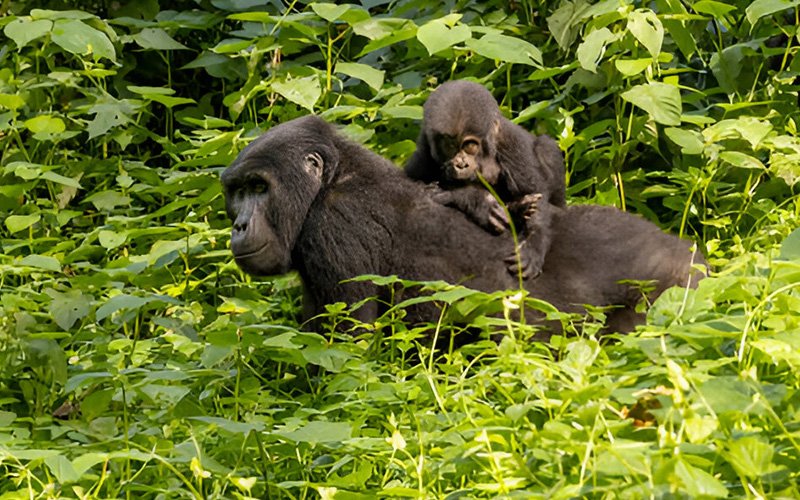
Bwindi Impenetrable National Park is famous for its mountain gorillas, but it’s also a fantastic location for tracking safaris with a conservation focus. The park’s dense forests and rugged terrain offer a challenging yet rewarding tracking experience, where you can learn about gorilla behavior and conservation directly from researchers.
Why Choose Bwindi Impenetrable National Park?
- Gorilla Conservation: Engage in gorilla tracking safaris that contribute to ongoing research and conservation efforts for these critically endangered primates.
- Unique Ecosystem: Experience the rich biodiversity of one of Africa’s most pristine rainforests.
- Scientific Insights: Work alongside conservation experts who provide detailed insights into the challenges and successes of gorilla conservation.
4. Mara Naboisho Conservancy, Kenya

Mara Naboisho Conservancy, located adjacent to the Maasai Mara National Reserve, is a community-based conservancy known for its strong focus on conservation and sustainable tourism. The conservancy is home to a wide range of wildlife, including lions, cheetahs, and elephants, and offers tracking safaris led by conservation experts.
Why Choose Mara Naboisho Conservancy?
- Rich Wildlife Diversity: Track a variety of species in a conservancy known for its high density of predators.
- Community Involvement: Learn about the role of local Maasai communities in conservation and experience their culture firsthand.
- Research Opportunities: Participate in projects that monitor predator populations, contributing to efforts to protect these key species.
5. Ol Pejeta Conservancy, Kenya
Ol Pejeta Conservancy is one of Kenya?s leading wildlife conservancies, located on the Laikipia Plateau. It is home to the largest population of black rhinos in East Africa and offers unique opportunities to track rhinos and other endangered species with conservation experts.
Why Choose Ol Pejeta Conservancy?
- Focus on Rhino Conservation: Engage in tracking experiences that focus on the conservation of black rhinos and other endangered species.
- Cutting-Edge Technology: Learn how to use modern conservation tools like GPS tracking and drones to monitor wildlife.
- Educational Programs: Participate in educational programs that provide insights into the challenges of modern wildlife conservation.
What to Expect on a Tracking Safari with Conservation Experts
What should you expect during a tracking safari with conservation experts? Here?s a typical day on a tracking safari:
1. Early Morning Start
Tracking safaris usually begin early in the morning when the temperatures are cooler, and wildlife is most active. After a brief orientation and safety briefing, you?ll head out into the bush with your guides to start tracking.
2. Learning the Art of Tracking
Under the guidance of your conservation experts, you?ll learn how to identify different animal tracks, recognize signs of wildlife activity, and use tracking equipment like radio telemetry to locate animals. This hands-on experience provides a deep understanding of animal behavior and the skills needed to track wildlife in the wild.
3. Close Encounters with Wildlife
As you follow tracks and monitor wildlife, you?ll have the opportunity to observe animals up close. Whether it?s a pride of lions resting under a tree or a family of elephants grazing in the distance, these encounters are both thrilling and educational, offering a rare glimpse into the daily lives of East Africa?s wildlife.
4. Data Collection and Conservation Activities
In addition to tracking, you may also participate in data collection activities that support ongoing research and conservation efforts. This could include recording animal behavior, collecting samples, or helping with wildlife counts. These activities provide valuable data that helps conservationists monitor wildlife populations and develop strategies for their protection.
5. Reflection and Learning
After a day in the field, you?ll return to camp for a debriefing session with your guides. This is an opportunity to discuss the day?s activities, share insights, and learn more about the conservation challenges facing East Africa?s wildlife.
How to Prepare for a Tracking Safari with Conservation Experts
What do you need to prepare for a tracking safari with conservation experts? Here are some tips to help you get ready:
1. Pack the Right Gear
Bring lightweight, neutral-colored clothing suitable for bush walking, sturdy hiking boots, a hat, and sunglasses. Don?t forget a good pair of binoculars, a camera, and a notepad for taking notes during briefings and in the field.
2. Stay Fit and Hydrated
Tracking safaris can be physically demanding, so it?s essential to be in good shape and stay hydrated. Drink plenty of water throughout the day and take breaks as needed to rest and recharge.
3. Be Open to Learning
Tracking safaris are as much about learning as they are about adventure. Be open to new experiences and ready to absorb as much knowledge as possible from your guides and fellow participants.
4. Respect Wildlife and the Environment
Always follow your guides’ instructions and respect the wildlife and environment. This includes keeping a safe distance from animals, not disturbing their natural behavior, and leaving no trace in the wilderness.
Conclusion
Tracking animals with conservation experts offers a unique safari experience that combines adventure with education and conservation. By participating in these safaris, you?re not just observing wildlife you?re contributing to their protection and gaining a deeper understanding of the natural world. Whether you?re tracking rhinos in Kenya?s Ol Pejeta Conservancy or following lions in Tanzania?s Selous Game Reserve, these experiences provide an unforgettable adventure that supports conservation efforts and helps preserve East Africa?s incredible wildlife for future generations.
Are you ready to embark on a safari that makes a difference? Book your tracking safari with conservation experts today and become a part of the vital efforts to protect East Africa’s wildlife and natural heritage.