

When planning a safari in Uganda, the typical images that come to mind are those of the Big Five or perhaps the gorillas in Bwindi.
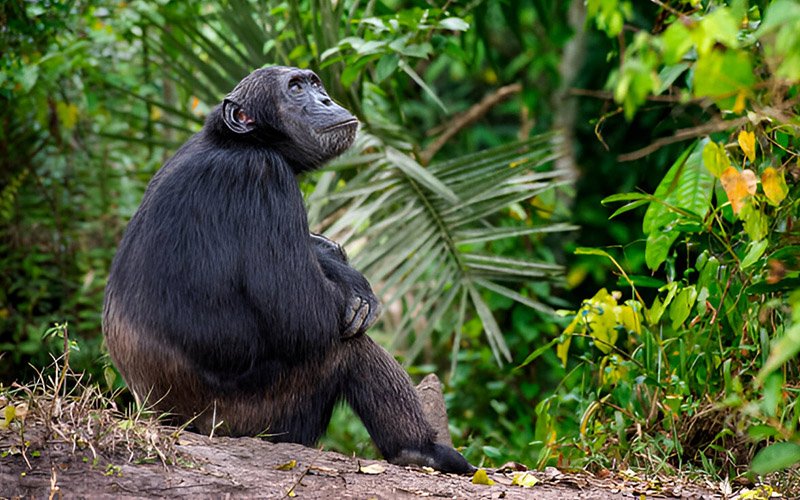
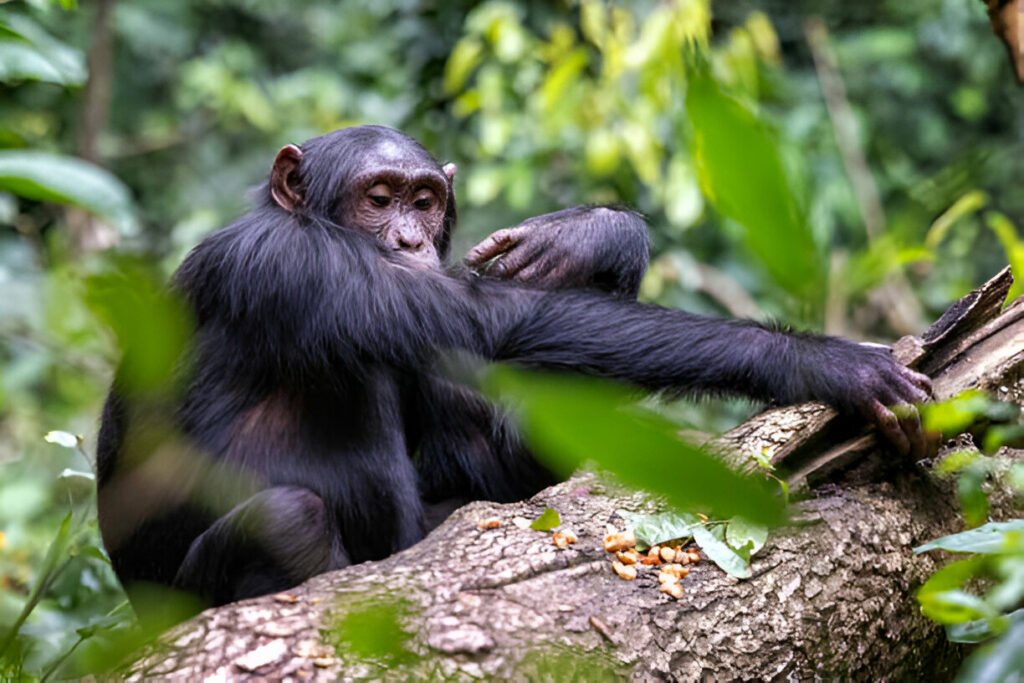
However, Uganda offers another unique wildlife experience that should not be missed, the Chimpanzee Habituation Experience in Kibale Forest. This immersive adventure allows you to spend an entire day with our closest relatives in their natural habitat.
But what exactly does this experience involve, and why should you consider adding it to your itinerary? Let?s dive into what makes the Chimpanzee Habituation Experience in Kibale Forest a must-do on your Uganda safari.
What is the Chimpanzee Habituation Experience?
The Chimpanzee Habituation Experience (CHE) is a unique safari activity available in Uganda, specifically in Kibale Forest National Park.
Unlike standard chimpanzee tracking, which usually lasts about an hour once the chimps are located, the habituation experience allows you to spend a full day with a troop of chimpanzees that are still undergoing the habituation process.
Habituation is the gradual process by which wild animals get accustomed to human presence without altering their natural behavior.
This means you?ll observe chimps in their most authentic state, learning about their social structures, feeding habits, and daily activities.
Where is Kibale Forest National Park?

Kibale Forest National Park is located in western Uganda, approximately a 5-hour drive from Kampala, the capital city. The park is renowned for its rich biodiversity, with over 70 mammal species and 375 bird species.
However, it is most famous for its population of approximately 1,500 chimpanzees, making it one of the best places in the world for primate safaris.
Why Choose the Chimpanzee Habituation Experience?
A Deeper Understanding of Chimpanzee Behavior
One of the main reasons to opt for the Chimpanzee Habituation Experience over regular chimp tracking is the depth of insight it offers.
During the experience, you?ll be in the forest from the crack of dawn until dusk, observing the chimps as they wake up, forage, socialize, and build nests for the night.
This extended time in their presence provides a deeper understanding of their complex social structures and behaviors, something that a short visit cannot offer.
A More Intimate Encounter
Because the habituation experience is a full-day affair, the number of participants is typically smaller than that of regular chimpanzee tracking groups. This creates a more intimate and less rushed encounter, allowing you to connect with the chimps in a meaningful way.
The small group size also means less impact on the chimps and a more personalized experience with your guide.
Contributing to Conservation Efforts
Participating in the Chimpanzee Habituation Experience also contributes to conservation efforts. The fees collected help fund the ongoing habituation process, ensuring that more chimpanzees are comfortable with human presence, which is crucial for their protection and the promotion of eco-tourism.
Additionally, this experience supports local communities and the park?s conservation programs, making it a sustainable choice for responsible travelers.
What to Expect on the Chimpanzee Habituation Experience
An Early Start
Expect an early morning start, usually around 6:00 am. You?ll head into the forest with an experienced guide and a team of researchers.
The day begins as the chimps are just waking up and descending from their nests, providing a unique opportunity to observe their morning routines.
The Trek Through the Forest
Kibale Forest is a dense, tropical rainforest with a variety of terrains. The trek can be challenging at times, with uneven ground, muddy paths, and dense vegetation.
It?s essential to wear appropriate hiking boots and be prepared for a physically demanding day. Your guide will lead you through the forest, tracking the chimps by listening for their vocalizations and looking for signs like broken branches and dung.
Close Encounters with Chimps
Once you locate the chimps, you?ll spend the day observing them as they go about their daily lives. You?ll see them forage for food, engage in social grooming, play, and even witness some of their disputes and reconciliations.
The habituation process is designed to make them more comfortable with human observers, so while they will be aware of your presence, they are less likely to feel threatened or flee, allowing for more natural behavior.
Lunch in the Forest
You?ll have a packed lunch in the forest, often in a location where you can continue to observe the chimps from a safe distance.
This break is a great time to ask your guide questions and learn more about the chimps? behavior, the forest ecosystem, and the conservation efforts in place.
A Day of Learning
Throughout the day, your guide and the researchers will provide insights into the chimps? behavior, the habituation process, and the broader ecosystem of Kibale Forest.
This is an educational experience as much as it is an adventurous one, offering a comprehensive understanding of one of our closest relatives and their habitat.
How to Prepare for the Chimpanzee Habituation Experience
Physical Fitness
The experience requires a reasonable level of physical fitness, as you will be on your feet for most of the day, walking through dense forest and possibly uneven terrain. It?s advisable to prepare with some cardio exercises and hikes before your trip.
Appropriate Gear
- Clothing: Wear lightweight, long-sleeved shirts and trousers to protect against insects and thorny plants. Neutral colors like khaki, green, or brown are recommended to blend in with the natural environment.
- Footwear: Sturdy hiking boots with good traction are essential. The forest can be slippery, especially after rain.
- Accessories: Bring a hat, sunglasses, and sunscreen for sun protection, and a rain jacket in case of sudden showers. Insect repellent is a must to ward off mosquitoes and other insects.
Essential Items
- Water and Snacks: Bring plenty of water to stay hydrated and some energy snacks to keep you going throughout the day.
- Camera and Binoculars: A good camera with a zoom lens is ideal for capturing the chimps without getting too close. Binoculars are also helpful for observing the chimps from a distance or spotting birds and other wildlife.
How to Book the Chimpanzee Habituation Experience
Booking the Chimpanzee Habituation Experience should be done well in advance due to its popularity and the limited number of permits available each day.
You can book through a tour operator or directly through the Uganda Wildlife Authority. Ensure your booking includes the habituation permit, park entrance fees, and a knowledgeable guide.
What is the Best Time to Visit Kibale Forest for Chimpanzee Habituation?

The best time to visit Kibale Forest for the Chimpanzee Habituation Experience is during the dry seasons, from June to September and December to February.
During these months, the trails are less muddy, and there is a lower chance of rain, making the trek through the forest more manageable.
However, the experience is available year-round, and the forest?s lush greenery during the wet seasons can be equally enchanting.
Are There Any Age Restrictions?
The minimum age for the Chimpanzee Habituation Experience is 15 years. This age limit is in place to ensure the safety of both the participants and the chimps, as younger children may find the trek too challenging or inadvertently disrupt the habituation process.
Tips for a Successful Chimpanzee Habituation Experience
- Stay Quiet and Calm: The habituation process relies on the chimps feeling safe around humans. Avoid making loud noises or sudden movements that could startle them.
- Follow the Guide?s Instructions: Your guide is there to ensure your safety and the well-being of the chimps. Always follow their instructions and respect the boundaries set.
- Keep a Safe Distance: Even though the chimps are undergoing habituation, they are still wild animals. Maintain a safe distance as directed by your guide to avoid any potential risks.
The Ethical Side of Chimpanzee Habituation
Chimpanzee habituation is not just about tourism; it is a vital conservation tool. By familiarizing chimpanzees with humans, researchers can study them more closely, and park authorities can monitor their health and safety better.
However, it is essential to conduct this process ethically, minimizing stress and impact on the chimps. This is why Uganda Wildlife Authority strictly controls the number of people allowed to participate in the experience, ensuring the chimps are not overwhelmed by human presence.
Conclusion
The Chimpanzee Habituation Experience in Kibale Forest is an unparalleled adventure that combines wildlife observation, education, and conservation. It offers a rare opportunity to connect with our closest animal relatives in a meaningful and respectful way.
Whether you are a wildlife enthusiast, a photographer, or a traveler looking for a unique safari experience, spending a day with the chimps of Kibale is sure to be a highlight of your Uganda adventure.
By participating, you?re not just gaining unforgettable memories, you?re also contributing to the ongoing efforts to protect these incredible creatures and their habitat.
So, if you?re planning a trip to Uganda, make sure to add this exceptional experience to your itinerary.
Embrace the wild, learn from the chimps, and take part in a journey that goes beyond mere observation a journey of understanding, respect, and conservation.